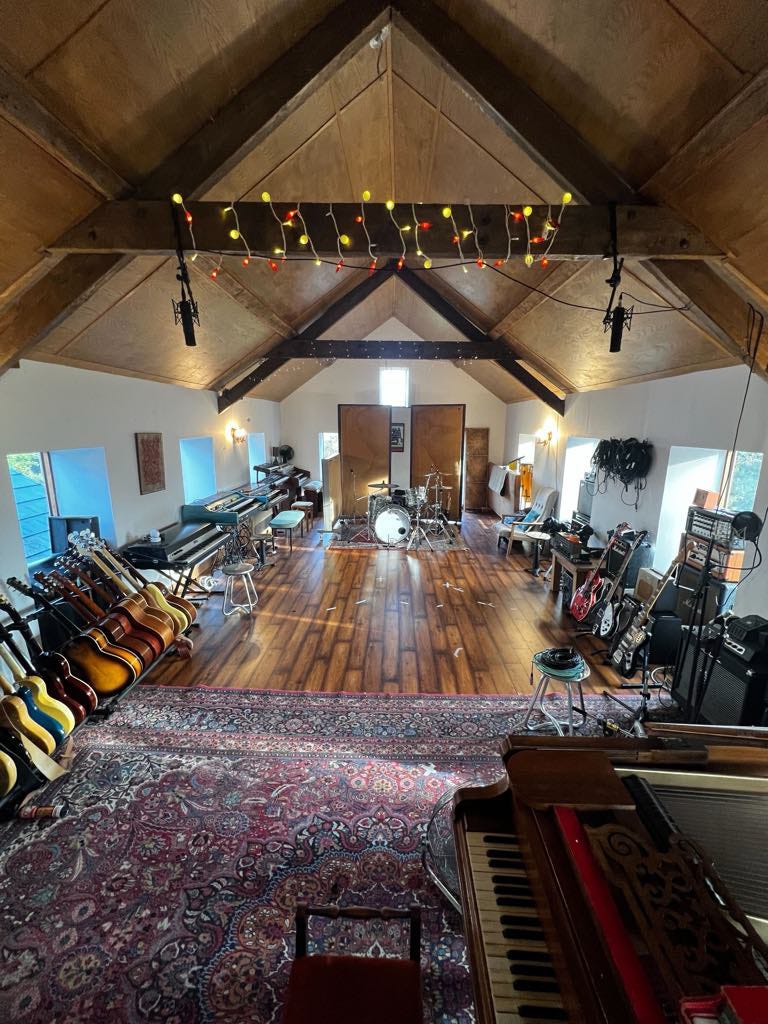

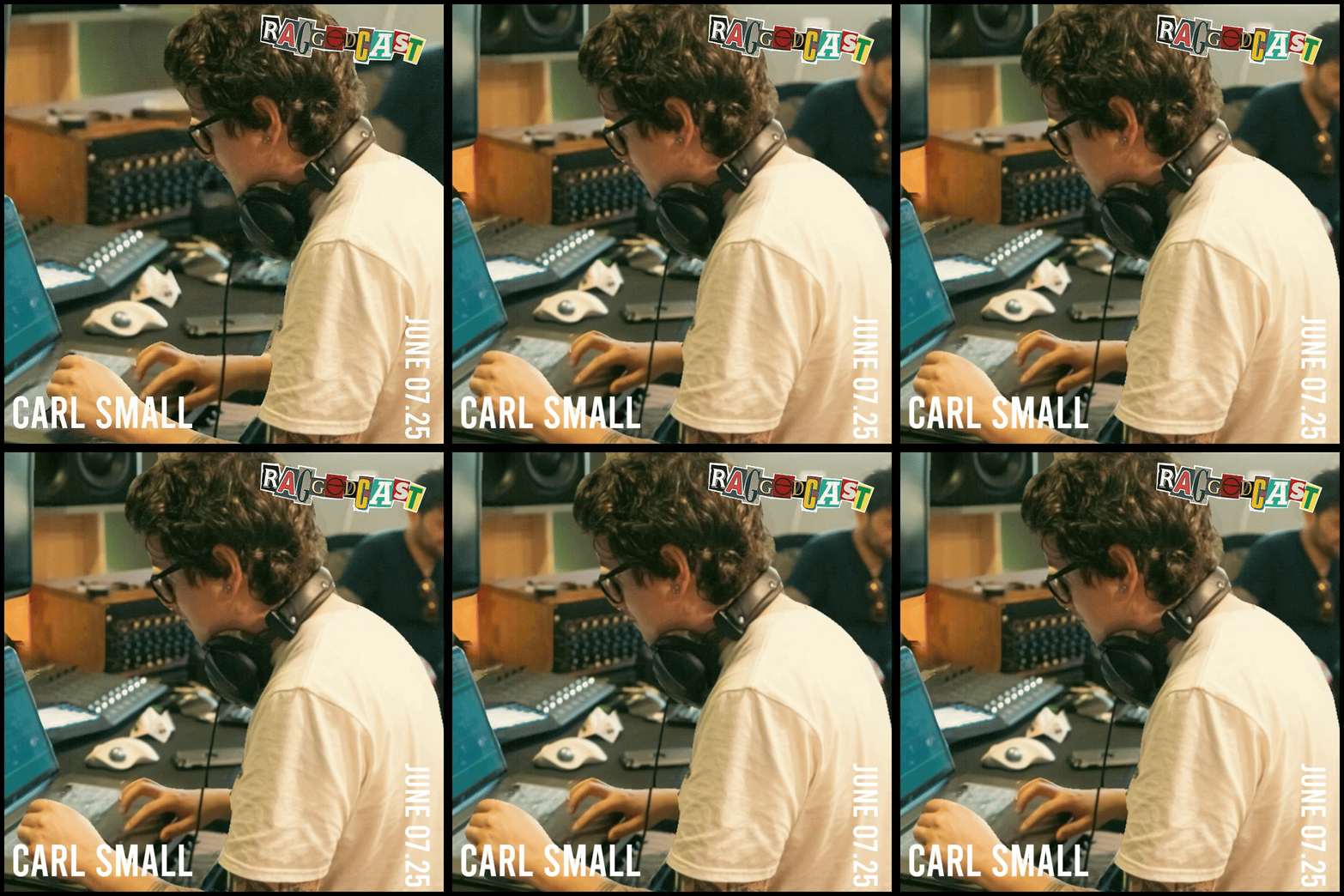
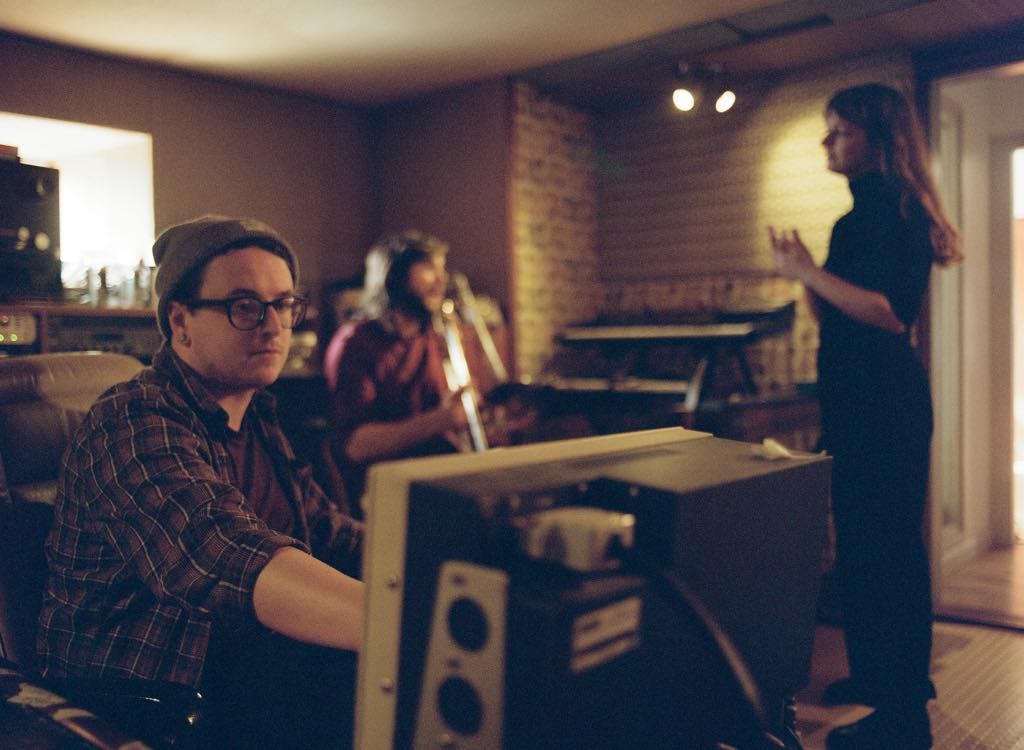
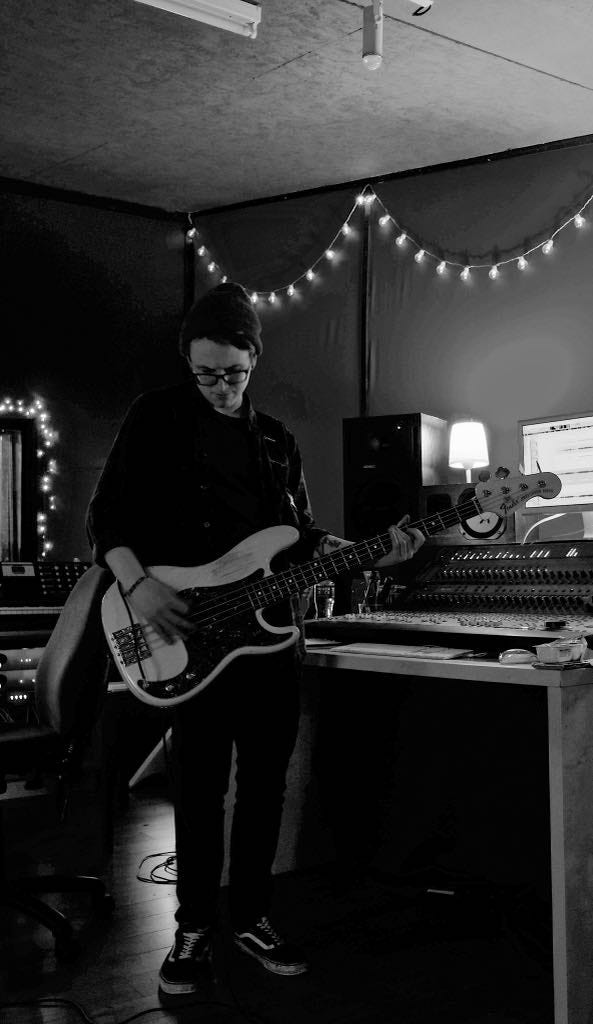
Carl Small is a Belfast-based music producer and audio engineer celebrated for his eclectic and immersive production style. Working primarily out of Analogue Catalogue Recording Studio, a renowned residential analogue facility in the Mourne Mountains.
Carl blends vintage warmth with modern sensibilities to craft emotionally resonant and sonically rich recordings.
Carl has worked with a diverse roster of artists including Mob Wife, Mark Loughrey, Laytha, and his own alt-rock band Lord Jane. His projects span a wide range of genres, from raucous post-punk to delicate folk, always grounded in a deep respect for the artist’s voice and vision.
His approach to production is collaborative and intuitive, favouring live recording techniques and analogue gear to bring out the most authentic performance possible. Whether shaping a debut EP or engineering a full-length album, Carl’s hallmark is clarity, depth, and a raw, honest energy.
“How have you seen the Irish recording industry evolve post-pandemic?"
The post-pandemic period has definitely brought some noticeable changes to the Irish recording industry. There’s been a big rise in self-recording among artists, largely because they had to adapt during lockdowns. That’s stuck around and more people are comfortable tracking vocals or instruments at home now, and that’s led to a bit more collaboration between artists and producers across distances. At the same time, there's a real hunger for in-person recording again, and I’ve seen more artists eager to get into studios to recapture that live energy. It feels like there’s a stronger sense of appreciation for the studio as a creative space. There's also a growing DIY ethos that’s being met with better access to gear and knowledge. Overall, it’s a more flexible and open landscape now than it was pre-2020
"How has the rise of AI and machine learning tools influenced your production workflow, and where do you see them fitting into the future of audio production?"
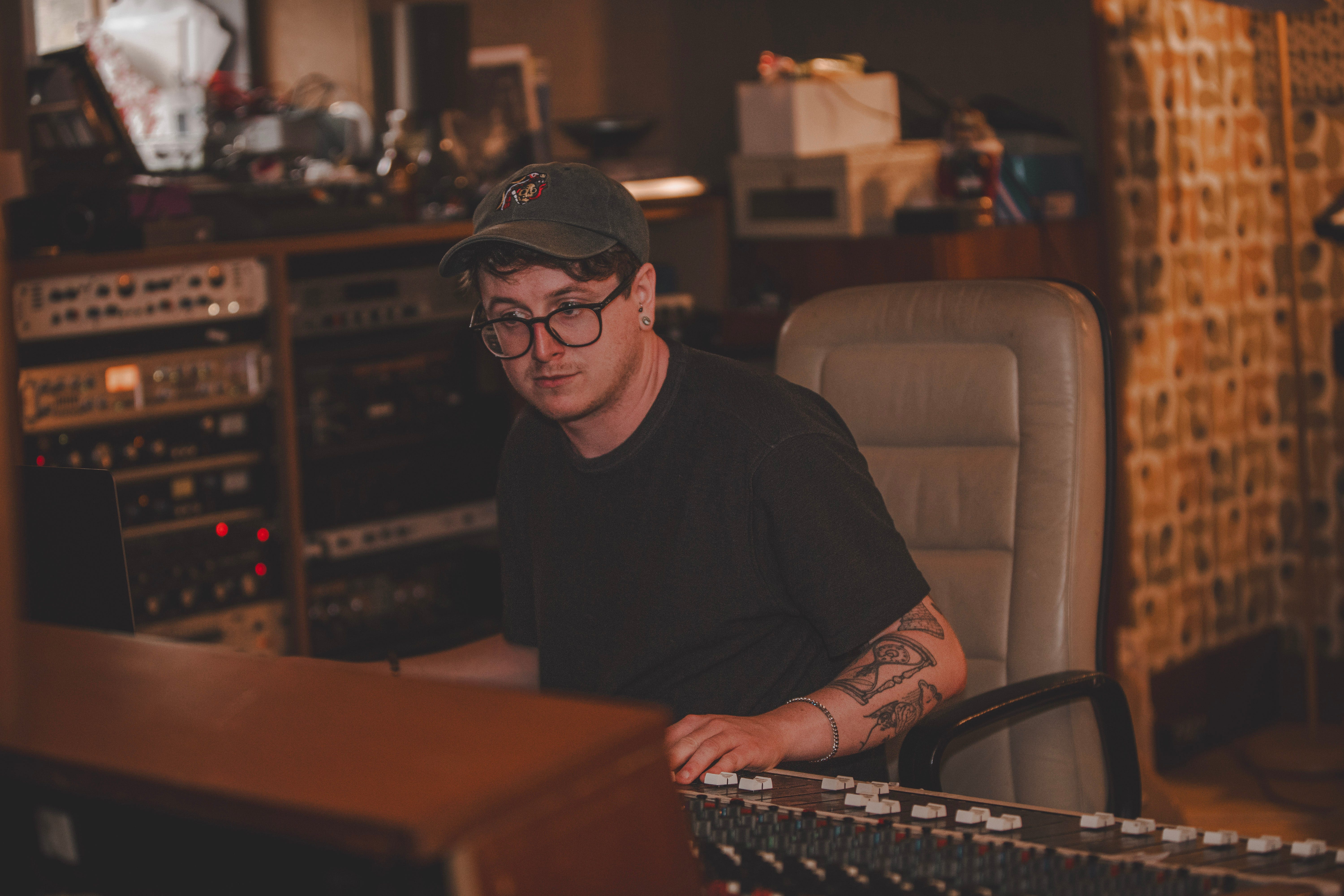
They haven’t really touched my workflow to be honest. I’ve seen a few of the plugins that try to auto-EQ or compress stuff for you. I’m not sure how I feel about them yet. Part of me doesn’t really trust it, and another part thinks it kind of takes the fun out of the job. But I can see how it might be helpful for people just starting out, especially solo artists recording themselves without much production knowledge. My worry is that it could make people skip learning the “why” behind what they’re doing. I think they’ll have their place, especially as assistive tools, but I hope it doesn’t replace the hands-on learning that makes this work so rewarding.
"How do you handle the psychological aspects of coaxing the best performance from an artist?"
That’s honestly one of the biggest parts of the job and easily the trickiest sometimes. Everyone's different, so it's about reading the room and adapting. Some people need loads of energy and encouragement, others just need space and a quiet vibe. You start to recognise when someone’s getting too in their own head and might just need a break or to step outside. Other times, it’s about matching their flow and just going with it. At the end of the day, you’re trying to create a space where someone feels safe to really go for it, no matter how vulnerable or weird that might feel. That’s where the best stuff usually comes from.
"What's your strategy for maintaining project continuity when working across multiple locations and DAWs?"
I work mostly in Pro Tools and have a really consistent session layout and workflow, which definitely helps keep things organised. Whenever I’m working with people recording in other spaces or sending me material, I just ask for properly bounced stems and then bring everything into my own setup. That way I know exactly where everything is and can move through the session efficiently. It’s really about standardising your end so that even if the source is different, the way you work stays familiar
"What's your approach to incorporating mobile recording techniques into professional productions?"
I do a fair bit of on-location recording, and thankfully I’ve built up a mobile rig that’s solid enough to maintain a professional standard. You do have to accept that things might not be quite as pristine as they would be in a studio, but there’s usually a rawness or atmosphere that comes with that, which I actually love. I tend to lean into those imperfections because they often bring a sense of place and character to the recordings. The key then becomes making sure the mix still holds up, balancing that lo-fi charm with professional polish.
"As a musician too, what's your strategy for diversifying income streams beyond traditional recording and mixing?"
If you’re working in music full-time, diversifying is pretty much essential. My main income comes from recording and producing, but I also lecture part-time in music production and work as a stage manager or show rep for different events and promoters. It keeps things interesting and allows me to stay connected to different parts of the industry. Plus, it helps create a bit of financial stability in a line of work that can be unpredictable.
"How do you balance investing in new technology versus maintaining reliable legacy systems?"
I’m definitely a believer in “if it ain’t broke, don’t fix it.” I’ve built up a setup over the years that I know inside out, and it does the job well, especially when I’m recording on location. That said, I’m always keeping an eye out for gear that might add something new or solve a specific problem. But I’m not someone who’s constantly chasing the latest thing for the sake of it. New gear is great, but knowing your tools inside and out is probably more important
.
"Which piece of vintage gear in your studio has an irreplaceable quality that modern plugins just can't replicate?"
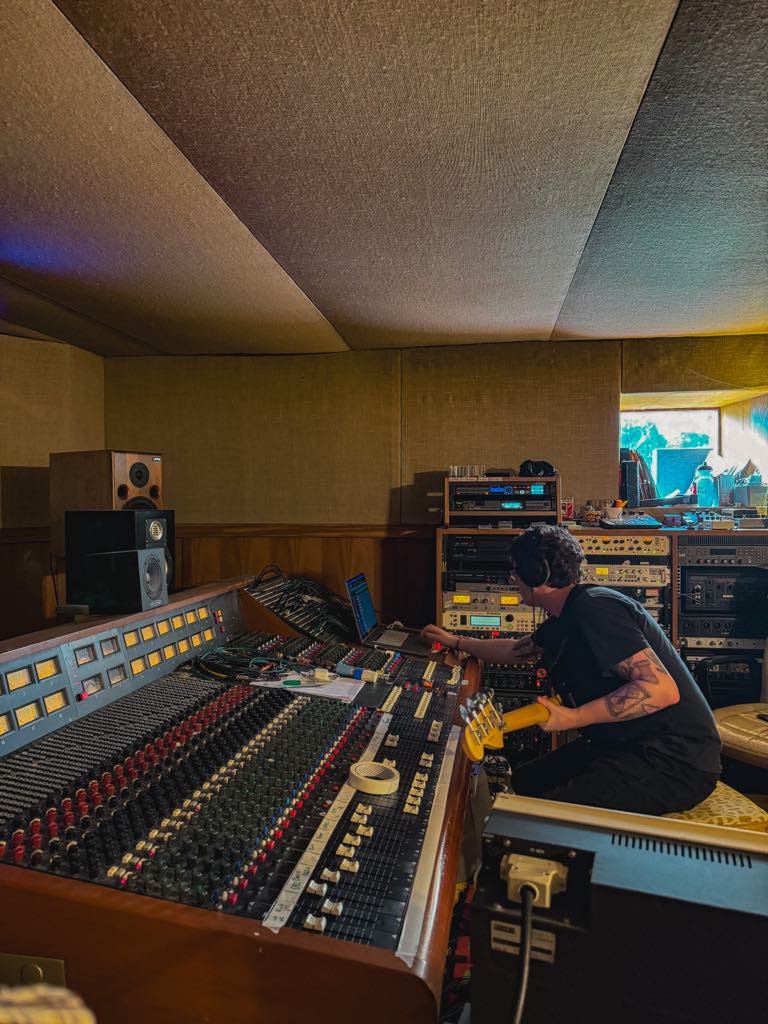
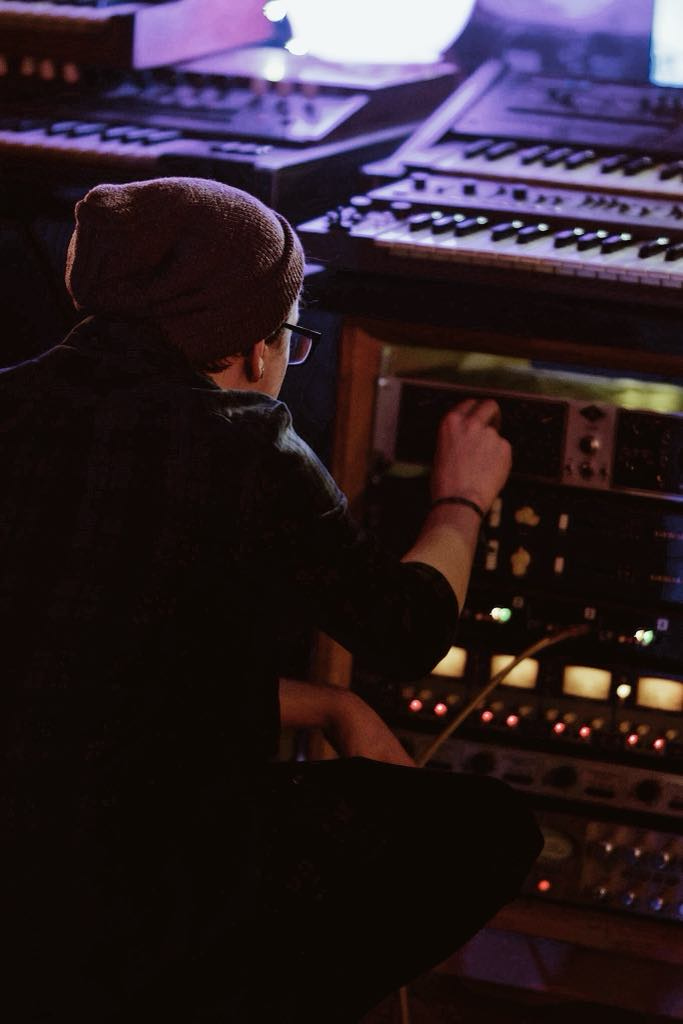
Plugins have come a long way, and I use a lot of them but there’s still something about touching a physical piece of hardware that plugins can’t quite replicate. The Trident Series 80B EQ has such a warm, musical tone that I keep coming back to. The UREI LA-4 is my go-to for vocals, it just handles dynamics in a way that feels alive. And lately, I’ve been using the Valley People 610 a lot on drums, it has a punch and character that’s hard to match digitally.
"What's your method for testing mixes across emerging playback platforms...are you a fan of the old Car Test?"
Absolutely, the car test is still part of the process for me. There’s something about hearing a mix in a different acoustic space that reveals things you might miss in the studio. I also check on small earbuds, Bluetooth speakers, anything I think people might realistically be listening on. Ultimately, it’s about making sure the mix holds up across different systems, not just in your ideal setup.
"What have you found works for you to stay inspired in an industry that's becoming more technologically driven?"
For me, it always comes back to the artist and the music. The tech is great, but that’s not what keeps me excited, it’s being in the room with someone and helping bring their ideas to life. I try to focus on that human side of the job. If I’m ever feeling a bit stuck, I’ll go listen to something that made me fall in love with music in the first place or watch a studio doc and remember why I do this
"What's your strategy for navigating the intersection of music production and social media?"
If I’m honest, I’m not great at it. I try to post when I’ve got a new project out or just to remind people I’m here and working, but I mostly rely on word of mouth. Most of the work I get is through people I’ve worked with before, or friends of friends. I probably should be better at the whole social media thing, but for now I just try to be consistent and share stuff when I can.
"How do you approach continuing education in a rapidly evolving industry?"
You’re always learning in this job. I watch loads of session breakdowns and interviews with other producers. It’s mad the amount of free knowledge that’s out there now. Even just picking up one little idea or technique from someone else can totally change how you approach something. I think it’s important to keep learning, just to stay sharp and avoid falling into the trap of doing things the same way every time.
"What's your method for building relationships within the Irish music community both in NI and down south? Belfast always seemed to have a rock solid scene no matter the decade?"
Being in a band definitely helps with that, but really it’s just about showing up, meeting people, and not being a dick. Go to gigs, chat to people, be approachable. I think if artists feel like they can be locked in a room with you for 12 hours and still feel relaxed, you’ll do alright. It’s a small enough scene and word travels fast. If you’re sound and easy to work with, people remember that
"Looking back, what advice would you give to yourself when you were just starting out?"
I’d tell myself to stop worrying so much about what everyone else is doing. Focus on your own thing, develop your skills, and the right projects will come. Everyone works at their own pace and comparing yourself to others doesn’t really help. Just try to enjoy the process and back yourself a bit more. Also, don’t be afraid to reach out and ask questions, people are usually more open than you think.
"What's the one bit of gear that you felt yourself taking that next jump up in your production work be it a mic or outboard or a deadly coffee machine"
A few years ago I upgraded my portable rig and that was a game-changer. I got the Universal Audio 4-710d and it just made my location recordings sound so much cleaner. It was a real step up. Mic-wise, I’ve got a Beyerdynamic M201 that I absolutely love. It’s a total workhorse! great on snares, guitars, strings, basically anything. And yeah, having a decent coffee machine in the studio doesn’t hurt either